
Looking for a smart phone? There are many choices in the US; Palm, Windows Mobile, Symbian and Blackberry. In Japan, we finally got the Blackberry about 16 months ago.
The first popular Japanese smart phones were really the regular phones that everyone had. Input and texting is very easy with the Japanese phones made by the likes of Toshiba, Panasonic, Sharp, Sanyo, Fujitsu, NEC, and several others. The phones continue to be the most advanced in the world. The first Windows Mobile (actually Pocket PC with a phone application built in) phone came out in 2006 and was a hit. Stores like Yodobashi Camera in Akihabara were selling 30-40 units a day.
September 2007, Willcom introduced the first real smart phone with Windows 6.0 on it. HTC, of Taiwan, introduced it Windows Mobile model months earlier but many consumers were put off by Softbank Mobile`s deceptive advertising. (They were advertising 0 yen, free phones, then telling people at sign up that it was 640 yen per month for the phone).
AINEO Networks supports 390 organizations in Japan. We have been working and various devices and have the following conclusions.
Windows Mobile-

Very pretty interface with lots of features and their party software that you can install. Software for keeping track of time zones, passwords/account management, news applications such as Avantgo and others. If you open too many applications on a Windows mobile device from any manufacturer, the thing will freeze up. You will have to go to control panel>memory>running applications and kill the tasks to get the thing working again.
Blackberry-
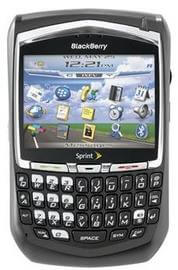
For corporates, Blackberry by Research in Motion is the best device by far. It is easy to administer, quick to set up, and easy for users to get used to. One complaint we had was the fly-wheel for navigating the applications is really designed for right-handed folks. For a southpaw (leftie) it is a bit awkward selecting the applications. If one of your team loses their device, it can easily be remotely wiped of all of its data (W Mobile 6.0 now has this feature).
Our main complaint was that the running cost was high through NTT Docomo. We were told it would be about 10,000 yen a head for the devices and service. However, AINEO has been paying about 6,000 yen a head.
Nokia e61
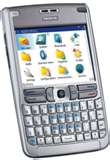
This is probably our favorite device. Very clearly Nokia has duplicated the best parts of the Blackberry and made it better. The e61 comes across as more sleek than the Blackberry a nice spread on the buttons. Of course you are still thumb-keying things in just as the Blackberry, however it just seems to have a little nicer feel to it. The Nokia e61 is made in Finland and has a nice feeling case made of aluminum.
The best thing about the e61 is that it can be run as a stand alone smart phone or sync with a mail server over a wireless carrier network. It comes with Nokia`s PC suite and syncs with Outlook or Lotus Notes. It works well either with the USB cable provided or over Bluetooth (which we found to be a lot nicer). A good sales point is that the unit syncs with Apple`s Isync application. You would never get that from a windows mobile device.
The popularity of the e61 must have taken Nokia Japan by surprise. The Nokia store in Tokyo station had a 300 person waiting list. If you plan on using the smartphone in Japan, we highly recommend against buying it directly from Nokia if you are planning on using it with a Softbank SIM card. You will have unbelievable internet connection charges from Softbank. You can use it with a Docomo SIM and not be robbed by overpriced packet fees that Softbank Mobile charges.
We couldn`t get the unit to work with Blackberry connect and our BES (Blackberry Enterprise Server). So for the corporate user this phone may not be as easy to set up as the Blackberry. The menus can also be somewhat confusing sometime compared to the simplicity of the Blackberry.
Overall, the e61 is the AINEO technical support team’s favorite smart phone.
Conclusions

The conclusion for the smartest smart phone really depends on how you want to use it. As for software and services come out I am sure we may have to update this AINEO Insight in the near future. For now our testing concludes-
-If you are a corporate, then the Blackberry is the easiest to implement and support. Users will find it indispensible in either Japanese or English.
-The Nokia e61 will be even better when it gets working better with standard mail servers. It even works as IP phone on an Avaya PBX. The test unit we had from Softbank couldn`t seem to work with the Blackberry server.
-The Windows Mobile is nice and all but it is still a bit clunky. For implementation with exchange mail servers it is just a matter of turning on the Activesync feature on in the server. For someone dealing with Windows all day, having a ‘start’ menu on your mobile phone as well may not be the best idea..
If you have any questions about any of these corporate push mail services, please feel free to give AINEO a call at +81 3 5833 2060 or drop us a line, we would be happy to answer your questions.
The AINEO Team